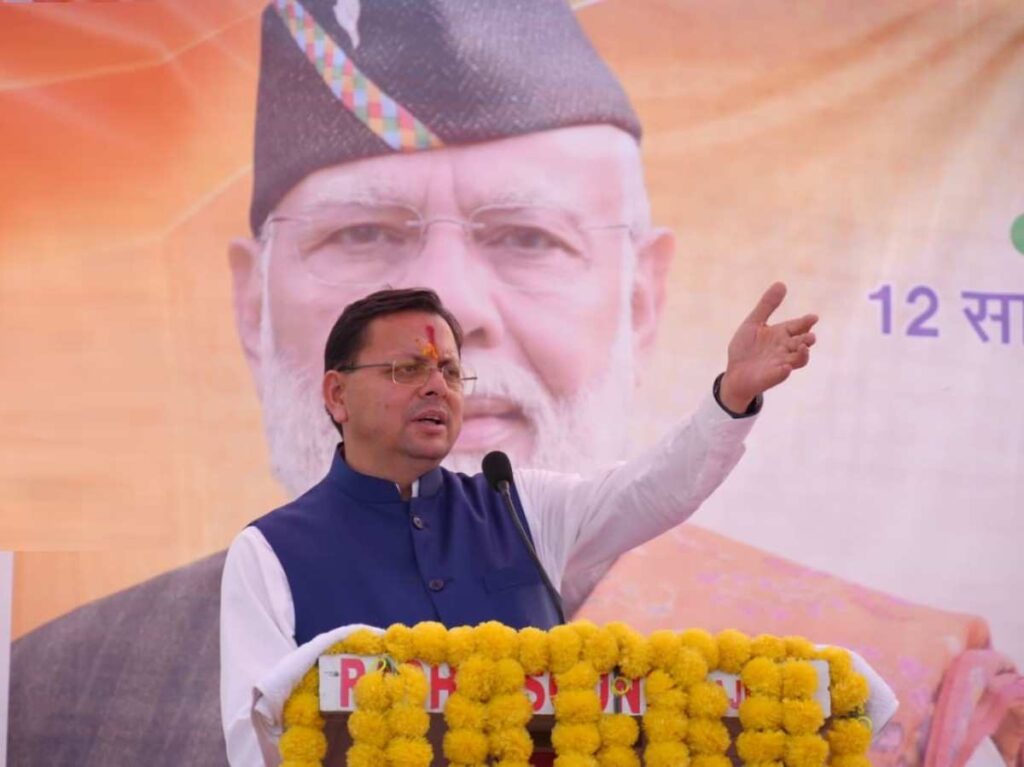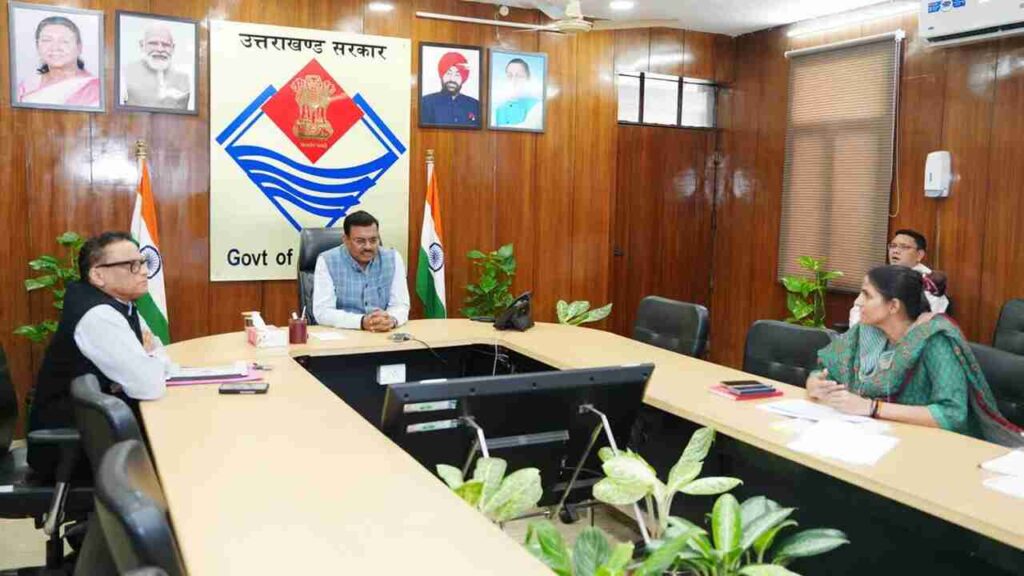

Haldwani: The Dhami government of Uttarakhand is just one step away from implementing the Uniform Civil Code in the state. The draft of the Uniform Civil Code rules in Uttarakhand is ready. Former Chief Secretary Shatrughan Singh, chairman of the committee drafting the rules, handed over this draft to Chief Minister Pushkar Singh Dhami at the secretariat. The Uniform Civil Code mobile app and portal have also been prepared. In such a situation, it is expected that the Uniform Civil Code will be implemented in Uttarakhand soon. At the same time, the Congress has once again surrounded the Dhami government regarding UCC.
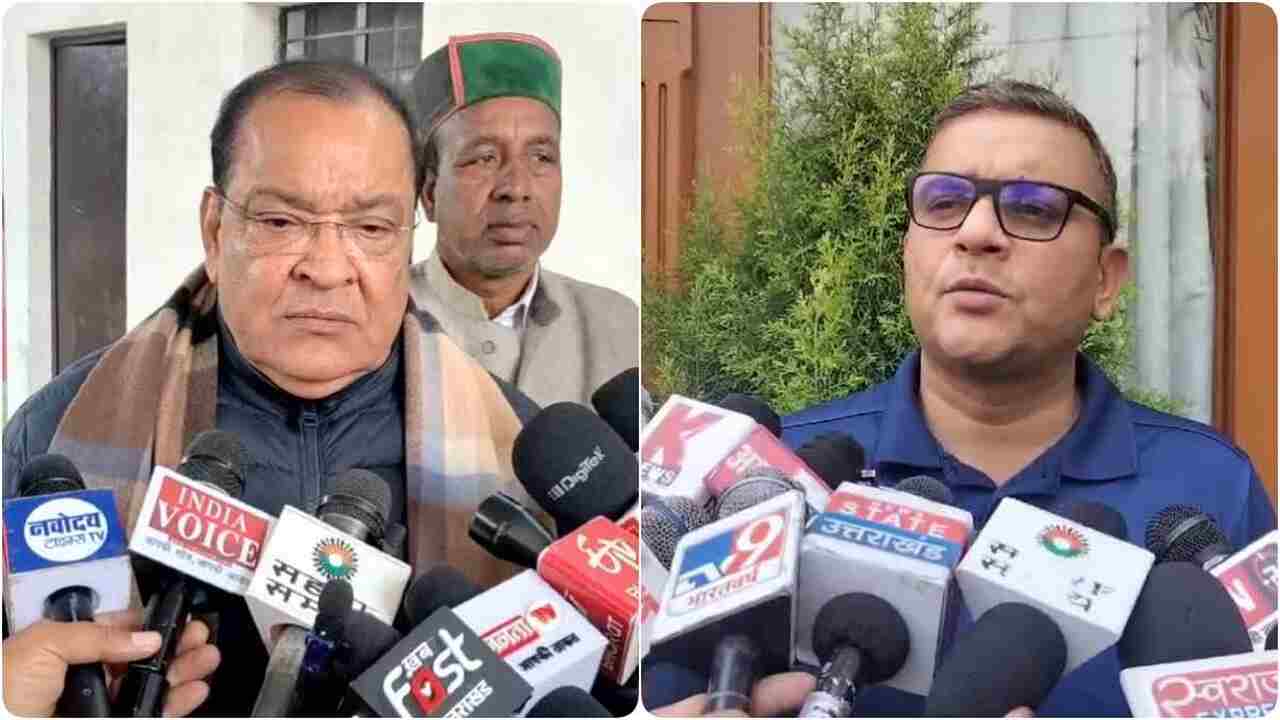
It is worth noting that the opposition has raised questions on the Uniform Civil Code. Leader of Opposition Yashpal Arya has said that the intention and mentality of the government is not clear. He said that it should not be politicized. He said that all religions and sects should be respected in the UCC. Everyone should get their rights, but the government does not have such an intention.
Congress MLA Sumit Hridayesh raised questions on UCC and said that there are many discrepancies and shortcomings in UCC. On one hand, the government is making UCC and on the other hand, it is talking about bringing a strong land law. But the state is being given in private hands. No one is seeing how many problems people will face after its implementation. It even allows living in a live-in relationship and talks about registration, which is contrary to Uttarakhand. Let us tell you that Uttarakhand will become the first state in the country after the implementation of Uniform Civil Code.