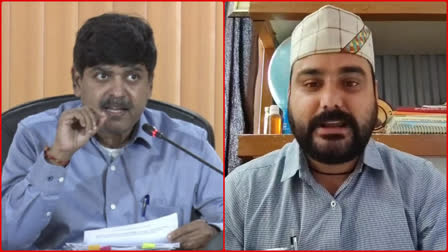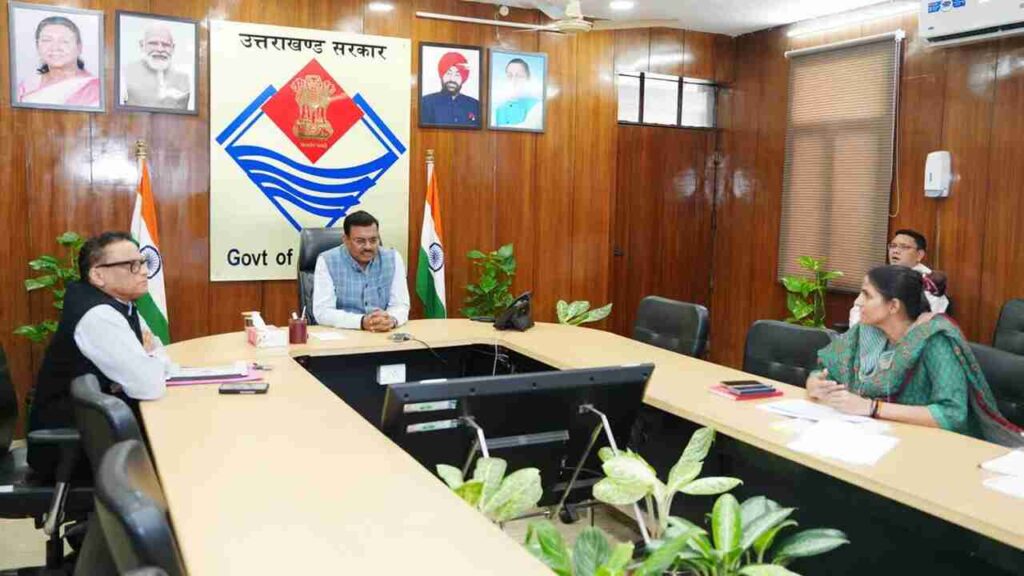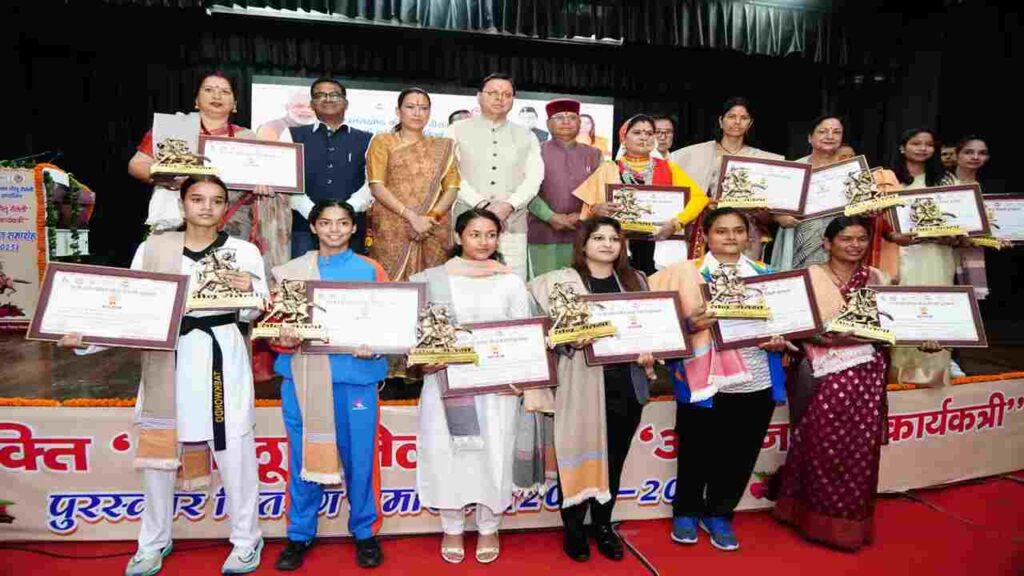


Dehradun: The Uniform Civil Code (UCC) in Uttarakhand has completed one year since its implementation. The Uniform Civil Code was implemented in Uttarakhand on January 27, 2025. At the time of its implementation, the Uttarakhand government decided to celebrate January 27th every year as UCC Day. Accordingly, grand programs were organized across the state to mark UCC Day. During the program, Chief Minister Pushkar Singh Dhami shared his experiences of this UCC journey. He also honored the members of the committee that drafted the Uniform Civil Code, the administrative officers who ensured its efficient implementation, and the VLCs (Village Level Coordinators) who contributed to the registration process.
Since the implementation of the UCC, over 5 lakh applications have been received for registration on the UCC portal in the past year. Of these, 4.8 lakh applications have been approved. More than 4.2 lakh applications were received for marriage registration, of which four lakh were approved.
Similarly, more than 86,000 applications were received for the approval of registered marriages, of which more than 83,000 were approved. More than 5,000 applications were received for the registration of wills, of which more than 4,000 have been approved.
Chief Minister Pushkar Singh Dhami said that today will be etched as a golden chapter in the history of Uttarakhand state, as the Uniform Civil Code was implemented in the state on this day. He said that Sanatan culture and tradition have always been the harbinger of harmony and equality. The CM said that all the framers of the Constitution, including Baba Saheb Bhimrao Ambedkar, had included the Uniform Civil Code in the Directive Principles of State Policy under Article 44 of the Constitution. Their view was that there should be a uniform law for all citizens of the country, which has now been implemented in Uttarakhand.
CM Dhami said that due to different personal laws for some communities in society, a situation of discrimination, inequality, and injustice prevailed. With the implementation of the UCC, not only have all citizens of the state received equal rights, but a new era of women’s empowerment has also begun in the state. Now, Muslim sisters and daughters in Uttarakhand have been freed from social evils like halala, iddat, polygamy, child marriage, and triple talaq.
Since the implementation of the UCC, not a single case of halala or polygamy has been reported in Uttarakhand. This is why Muslim women have welcomed this law.