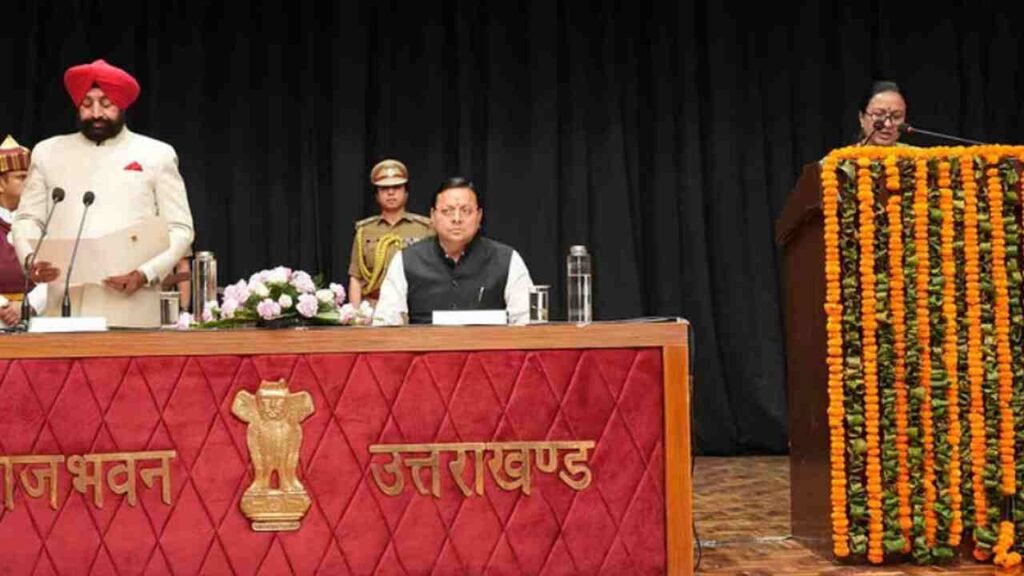

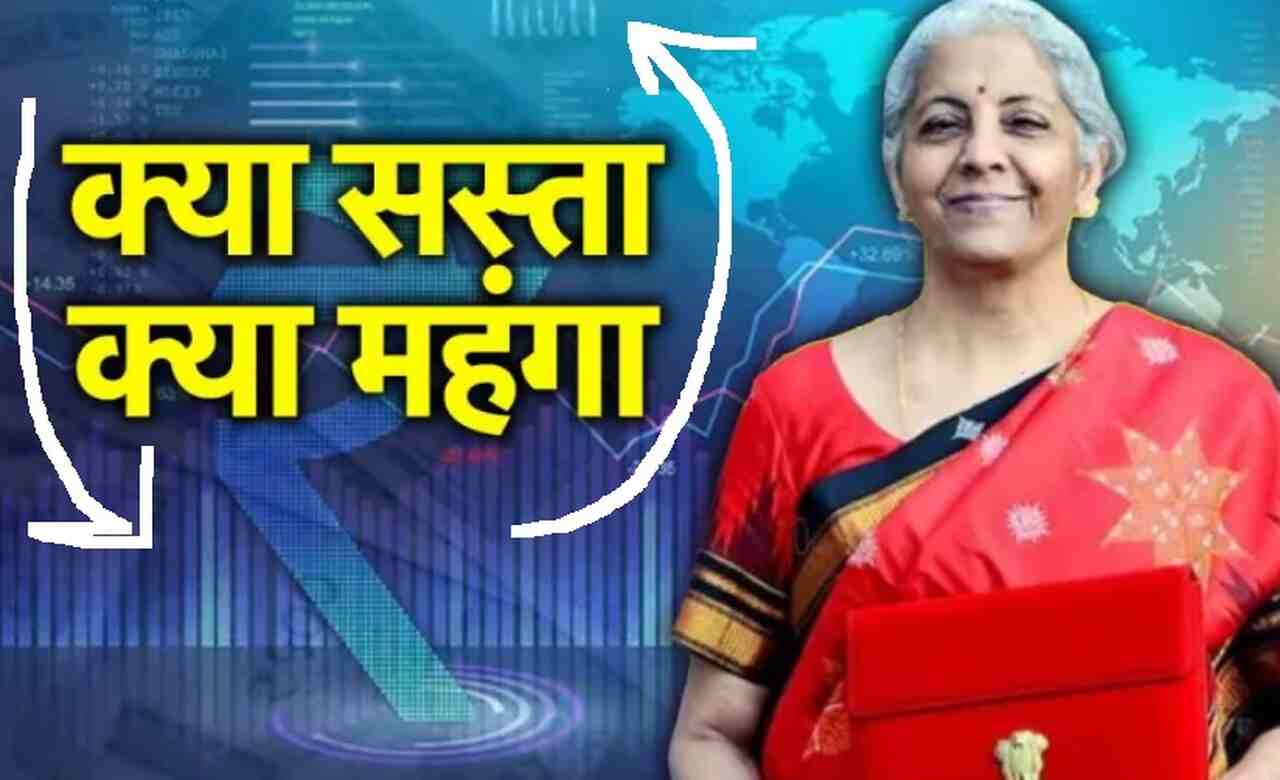
New Delhi: Finance Minister Nirmala Sitharaman presented the Union Budget 2026-27 in the Lok Sabha on Sunday. In the new budget, the government has tried to provide relief to the common man by making some essential goods and services cheaper, while on the other hand, it has also focused on increasing revenue by raising taxes in some sectors. The budget clearly indicates a focus on promoting the health, green energy, and manufacturing sectors.
Special focus on the Bio-Pharma sector
In her budget speech, the Finance Minister announced that a new scheme will be launched to strengthen the bio-pharma sector in the country. Under this scheme, a national network of 1,000 accredited testing sites will be created. The government believes that this will accelerate drug testing and production, reduce costs, and help make India a global pharma hub. This initiative has also had an impact on drug prices.
While the new budget has provided significant relief to the common man on some items, some things have also become more expensive. So let’s find out what has become cheaper and what has become more expensive?
What has become cheaper
Medicines for serious diseases like diabetes and cancer have become cheaper.
Taxes on sports goods have been reduced, making them cheaper.
The price of biogas and CNG has been reduced to promote their use.
Microwaves, solar panels, and electronic goods will be cheaper.
The prices of shoes and leather products will also decrease.
Cheaper mobile phones and electric vehicle (EV) batteries will promote technology and e-mobility.
Foreign travel will also be cheaper than before.
What has become more expensive
The Securities Transaction Tax (STT) on stock options and futures trading has been increased from 0.02% to 0.05%.
If a person provides false information in their income tax return, they may face a penalty of up to 100%.
Increased taxes on liquor will lead to higher prices. Duties have been increased on scrap and minerals, which could raise costs for industries.
The increased tax burden on futures and options trading may come as a blow to active investors in the stock market.
Failure to disclose information about movable assets will now also attract a penalty.
Taxes have been increased on luxury products such as expensive watches.
Overall, in the Union Budget 2026-27, the government has tried to strike a balance. While relief has been provided to the health sector, green energy, and the common consumer, steps have also been taken to generate additional revenue from certain sectors.