
In her letter, the Chief Minister described the Election Commission’s action as arbitrary and said the sweeping administrative reshuffle had been carried out without any specific allegation of misconduct, election-related lapse, or prior consultation with the state government.
CM Raises Objection Over Sudden Removal of Top Officers
In the letter sent on Monday, Mamata Banerjee expressed surprise that key administrative heads in the state were removed within hours of the Election Commission announcing the schedule for the 2026 Assembly elections.
She argued that such an extensive reshuffle departed from earlier administrative practice followed during elections.
According to the Chief Minister, the transfers were made –
- without seeking a panel of officers from the state government
- without citing specific reasons
- without alleging election-related misconduct
- without following established convention
What Mamata Banerjee Wrote to the CEC
In her communication, Mamata Banerjee stated that the sudden transfer of top officers was “a matter of deep concern and surprise.”
She said the action had been taken in an arbitrary manner and did not reflect the institutional coordination that usually exists between the state government and the Election Commission during elections.
She further noted that the state’s administrative leadership had been altered almost immediately after the election notification.
Major Overnight Administrative Reshuffle
The controversy follows a major administrative reshuffle ordered soon after the poll announcement.
Among the top officers transferred were –
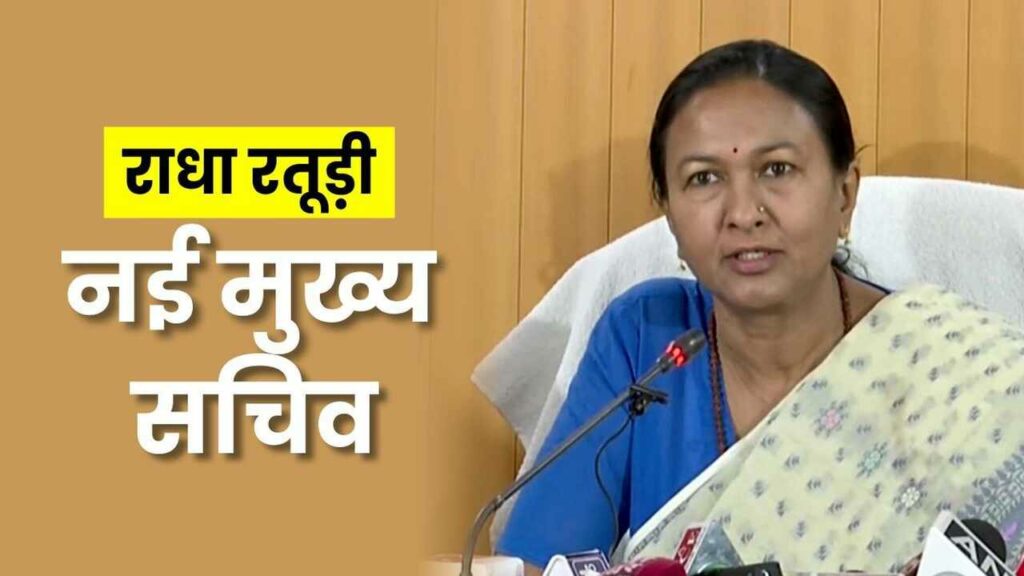
- Chief Secretary Nandini Chakraborty
- Home Secretary J P Meena
Several senior police officers were also shifted.
These included:
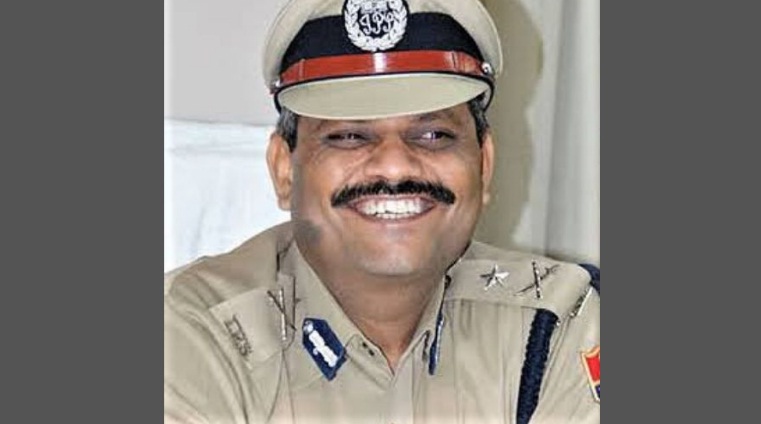
- the Director General of Police
- the Kolkata Police Commissioner
The changes came within hours of the election notification.
Why Election-Time Transfers Matter
The Election Commission of India frequently orders transfers of officers during elections to ensure neutrality in administration.
Such transfers generally target officers in key law-and-order or district-level roles, especially if they are perceived to have long tenures or sensitive assignments.
However, transfer of top-level officers often triggers political and constitutional debate.
CM Invokes Cooperative Federalism
Mamata Banerjee strongly framed the issue as one involving federal principles.
She said unilateral transfer decisions by the Election Commission undermine:
- cooperative federalism
- constitutional balance
- democratic governance norms
According to her, a constitutional authority such as the Election Commission must exercise powers while respecting the federal spirit.
Concern Over Institutional Precedent
The Chief Minister also argued that sudden top-level removals could weaken institutional confidence.
She warned that repeated unilateral interventions may affect the credibility and perceived neutrality of constitutional institutions.
Appeal to Election Commission
In her letter, Mamata Banerjee urged the Election Commission to avoid similar unilateral measures in future.
She requested that established institutional processes between the state and the poll body be respected during election management.
Political Significance Ahead of Bengal Polls
The timing of the dispute is politically significant because West Bengal is entering a crucial election season.
Administrative control during this period becomes highly sensitive because senior officers influence:
- law and order
- poll logistics
- district coordination
- enforcement machinery
Likely Institutional Response
The Election Commission may now formally respond or continue with its administrative orders under constitutional powers available during elections.
Traditionally, once the Model Code framework begins, the Commission exercises strong control over postings linked to election management.
Why This Development Matters
This episode highlights the recurring friction between elected governments and constitutional election authority over officer postings during politically sensitive periods.
In Bengal, where elections are intensely contested, such disputes often acquire wider constitutional importance.