
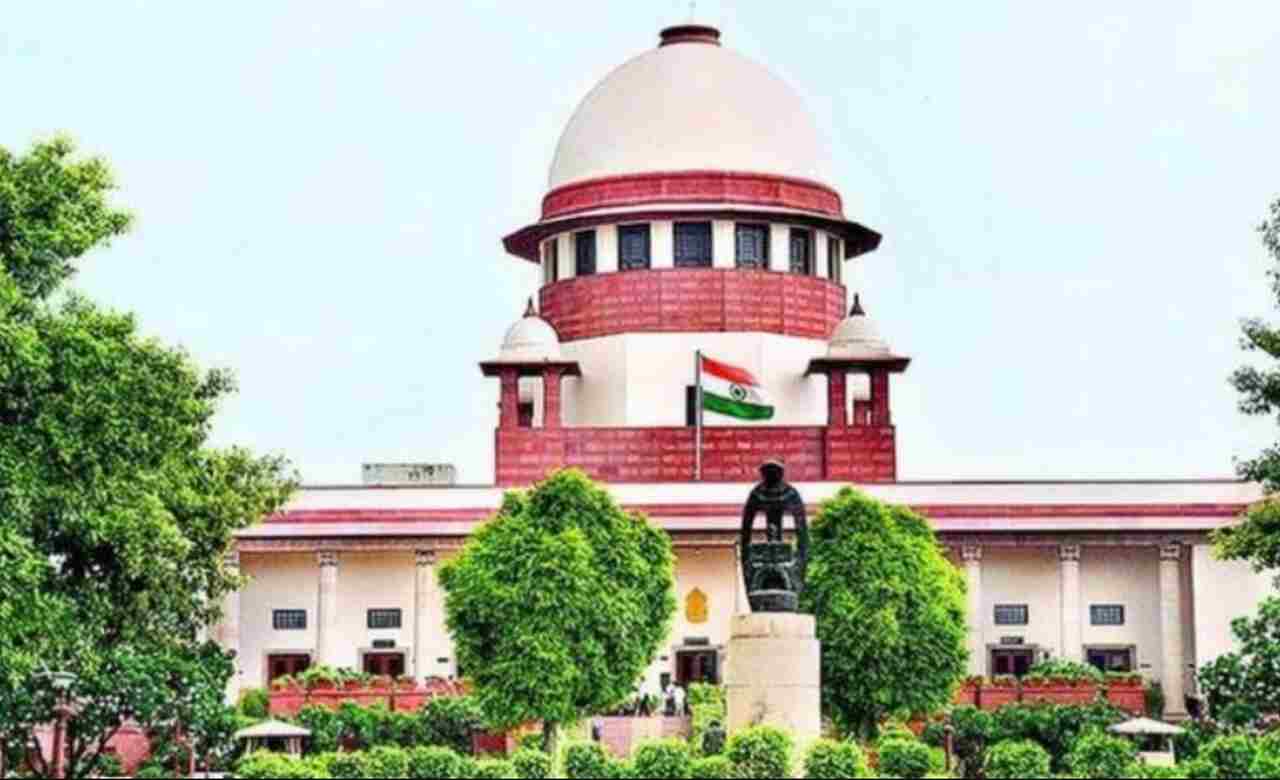
New Delhi: The Supreme Court urged the Central Government to consider extending the tenure of existing tribunal members until fresh appointments are completed. The Court expressed concern that tribunals across the country should not become non-functional due to vacancies. The observations were made during a hearing related to vacancies in various tribunals under the recently enacted Tribunal Reforms Act, 2026.
The Court emphasized the need for continuity in the functioning of tribunals and sought assurance from the Centre that necessary steps would be taken to avoid disruptions.
Supreme Court Raises Concern Over Tribunal Appointments
A Bench comprising Chief Justice of India Surya Kant, Justice Joymalya Bagchi, and Justice V. Mohana heard the matter on Tuesday.
The case involved concerns regarding vacancies in tribunals and their impact on the delivery of justice. During the hearing, the Court was informed about the imminent retirement of the Presiding Member of the Debt Recovery Appellate Tribunal (DRAT), Kolkata Bench. The issue was raised through an application filed by the DRAT Calcutta Bar Association seeking urgent intervention.
Centre Says Appointment Process Has Already Started
Attorney General for India R. Venkataramani, appearing for the Central Government, informed the Court that the process of filling vacancies had already been initiated.
He submitted that necessary steps were underway and suggested that interim applications concerning vacancies may not be required once the appointment process progresses further. However, the Court remained concerned about the possibility of tribunals becoming ineffective during the transition period.
CJI Surya Kant Suggests Temporary Extension
Chief Justice Surya Kant asked the Centre whether it could consider extending the current ad hoc arrangement for a short period.
The Chief Justice suggested that an extension of one month or slightly longer could help maintain continuity in tribunal operations until new appointments are finalized.
Court Clarifies Nature Of Extension
The Court made it clear that any extension would only be a temporary or stop-gap arrangement. According to the Bench, such an extension would not create any permanent rights for the existing members and would only ensure uninterrupted functioning of tribunals. The judges stressed that the objective was to prevent administrative and judicial disruption.
Supreme Court Seeks Definite Assurance From Centre
During the hearing, Chief Justice Surya Kant sought a clear commitment from the Central Government regarding the appointment timeline.
The Bench observed that if the petitions were disposed of and fresh appointments were not made within a reasonable period, similar litigation could arise again. The Court therefore requested a definite assurance that the vacancies would be filled promptly.
Attorney General Requests Additional Time
Responding to the Court’s observations, the Attorney General stated that the Centre would examine the suggestion regarding extension of tenure. He also requested that the matter be taken up later so that he could obtain further instructions from the government and provide a detailed response. The Court agreed to continue hearing the matter after receiving the Centre’s position.
Key Context & Highlights
- Why The Issue Is Important: Tribunals resolve specialized disputes related to taxation, company law, debt recovery, environmental matters, and administrative issues. Unfilled vacancies create backlogs and delay hearings.
- Previous Directions: Last week, the Court extended the tenure of three National Green Tribunal (NGT) members to ensure benches continued functioning. It had previously extended terms until September 8, 2026.
- Tribunal Reforms Act, 2026: The law governing the structure, appointments, and functioning of tribunals across India.