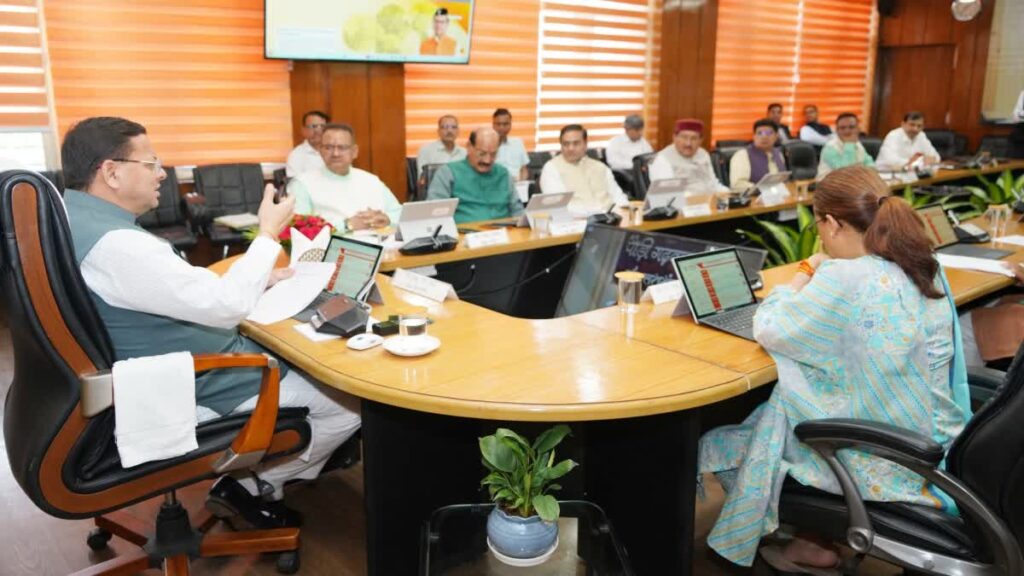

Dehradun: To address the growing challenge of water pollution and antimicrobial resistance (AMR) in the Song river, emphasis is now being placed on preparing a concrete action plan. In this direction, a two-day workshop is being organized on November 23 and 24 by the International Water Management Institute (IWMI) and the Indian Institute of Technology (IIT) Roorkee. Discussions are underway on pollution sources at the river basin level, the spread of antimicrobial resistance, and control measures.
The workshop aims to identify hotspots of pollution and antimicrobial resistance in the Song river basin as well as their transmission pathways. For this, water quality monitoring, hydrological modeling, digital twins, and artificial intelligence-based forecasting technologies will be utilized. Additionally, a shared guiding framework for river rejuvenation and a list of measures to reduce pollution and antimicrobial resistance across land, water, and food systems will be prepared.
Experts from the Indian Council of Agricultural Research (ICAR), BAIF, the World Health Organization (WHO), and various research institutes are participating alongside departments connected to irrigation, pollution control, animal husbandry, public health, and river rejuvenation. The objective is to establish coordination among different departments and institutions to formulate a joint action plan.
Chief Guest and Watershed Secretary & Watershed Management Director Dilip Jawalkar stated that protecting and improving the health of the Song river is a major need of the hour. For this, river rejuvenation must be prioritized through pollution control, water conservation, and effective coordination among departments, noting that safeguarding public health alongside the river’s ecology is equally important.
Professor Sumit Sen of IIT Roorkee emphasized integrated modeling and assessing the potential impacts of various interventions to tackle water pollution and antimicrobial resistance. At the workshop, he shared insights into the status of the Song river basin and different intervention scenarios using SWAT and BFTM modeling, stating that effective river rejuvenation plans can be formulated only on the basis of scientific evidence.